

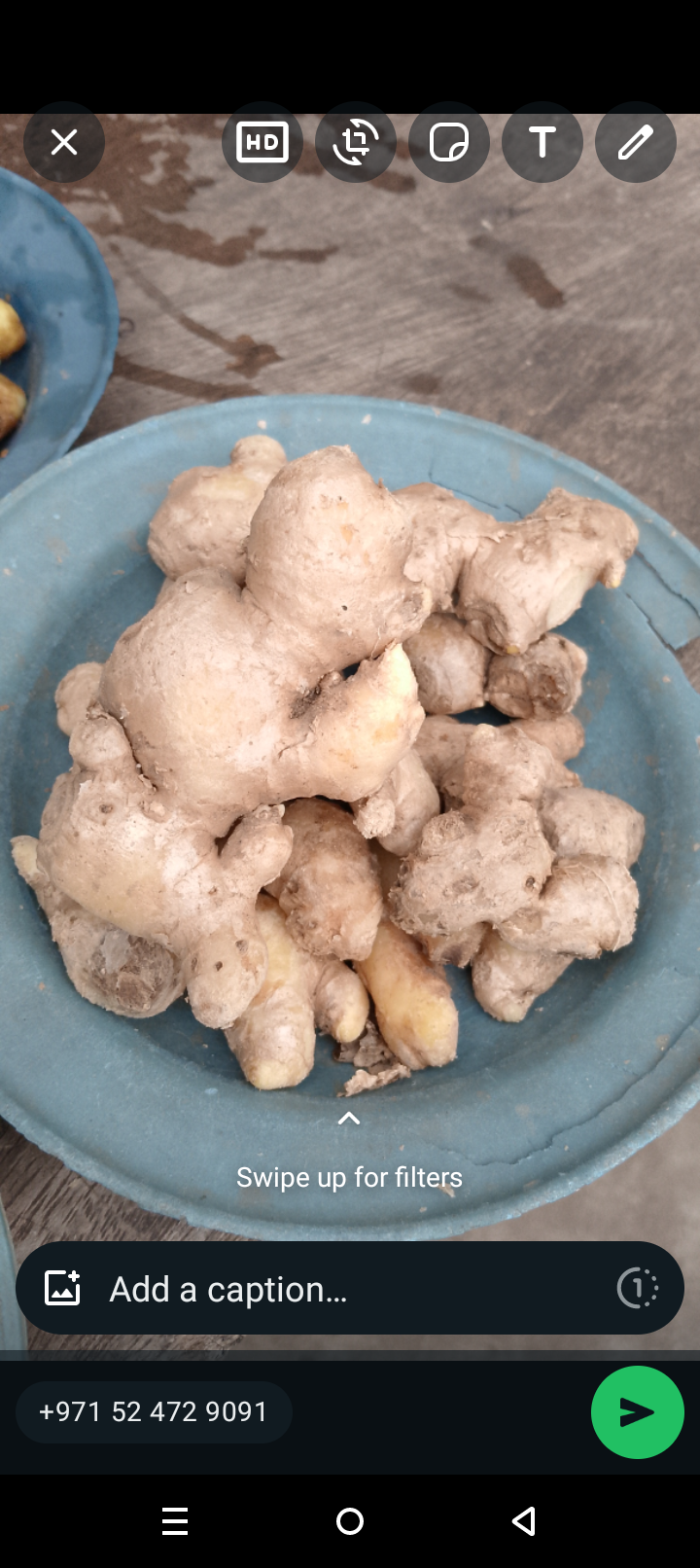
Ginger: Overview and Benefits
Sellers of Split ginger
What is Ginger?
Ginger Zingiber officinale is a flowering plant native to Southeast Asia, widely known for its rhizome, commonly called ginger root. It is used as a spice and in traditional medicine. Ginger belongs to the family Zingiberaceae, which includes turmeric, cardamom, and galangal
Health Benefit
Ginger offers numerous health benefits due to its bioactive compound, gingerol, which has anti-inflammatory and antioxidant properties. Key benefits include:
- Digestive Aid Helps ease nausea and vomiting, especially during pregnancy, though caution is advised for high doses[1][2].
-Pain Relief May alleviate menstrual cramps, osteoarthritis symptoms, and muscle pain
- Anti-inflammatory Effects: Reduces swelling and may help manage arthritis
-Heart Health: May lower blood sugar, cholesterol levels, and blood pressure
- Other Potential Benefits: Could protect against Alzheimer's disease and prevent blood clotting, though more research is needed
Ginger is low in calories (4 calories per 2 teaspoons) and rich in antioxidants but contains minimal vitamins or minerals
Uses
Ginger can be consumed fresh, dried, powdered, or as oil/juice. It is used in teas, candies, capsules, and various recipes for its flavor and medicinal properties
Risks and Precautions
High doses of ginger (>5 grams/day) may cause side effects like rash or stomach discomfort. It may interact with medications such as blood thinners or diabetes drugs. Pregnant women should consult a doctor before use
In summary, ginger is a versatile spice with significant health benefits but should be used cautiously in certain circumstances.