

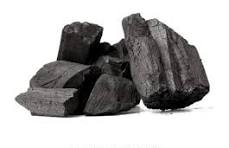
Igniting Excellence: A Deep Dive into Companies Selling Hardwood Charcoal
Hardwood charcoal, a staple for grilling enthusiasts, industrial applications, and even home heating, offers a superior burning experience compared to its briquette counterparts. Companies specializing in hardwood charcoal are carving out a significant niche by focusing on quality, efficiency, and increasingly, sustainability.
The Allure of Hardwood Charcoal
What makes hardwood charcoal a preferred choice? Its advantages are numerous:
- Purity and Natural Composition: Unlike many briquettes that contain binders, fillers, and chemical additives, hardwood charcoal is typically made from 100% natural wood. This chemical-free composition ensures a cleaner burn and imparts an authentic smoky flavor to food, free from off-notes.
- Superior Heat and Longer Burn Time: Hardwood, being denser, yields charcoal with a higher carbon content. This translates to a hotter and more consistent burn, allowing for prolonged cooking sessions and efficient heat distribution. It can reach high temperatures quickly, ideal for searing.
- Minimal Ash and Sparks: The carbonization process of hardwoods results in less ash production and significantly fewer sparks, making for a cleaner grilling experience and easier cleanup.
- Temperature Control: Hardwood charcoal is highly responsive to oxygen, allowing grillers to precisely control fire temperature by adjusting air vents.
- Authentic Flavor Profile: Different hardwoods (like oak, hickory, maple, or mesquite) impart unique and desirable smoky flavors to grilled and smoked dishes, elevating the culinary experience.
The Business of Hardwood Charcoal: A Global Landscape
The market for hardwood charcoal is diverse, with companies ranging from local suppliers to international exporters. Many prominent players are found in regions with abundant hardwood forests, such as Nigeria, Indonesia, and various parts of Southeast Asia and South America.
These companies often specialize in different grades and applications:
- BBQ and Restaurant Grade: This charcoal is typically characterized by larger, irregular lumps, ideal for grilling and smoking due to its long burn time and consistent heat.
- Industrial Grade: Finer grades or specific carbon content are sought after for metallurgical processes, activated carbon production, and filtration.
- Shisha/Hookah Charcoal: Often in specific shapes (like cubes) and prioritizing low ash and odor for a clean experience.
Key Players and Their Offerings (Examples from the Nigerian Market)
Nigeria, for instance, is a significant hub for hardwood charcoal export. Companies like mese investmnt ltd are prominent suppliers. They often highlight:
- Quality Assurance: Emphasizing low moisture content, high fixed carbon, and minimal ash.
- Sustainable Sourcing: A growing number of companies are committed to responsible forestry management and the use of renewable, fast-growing wood species to minimize environmental impact.
- Global Reach: Many companies cater to international markets, offering FOB (Free On Board) and CIF (Cost, Insurance, and Freight) shipping options.
- Variety of Wood Types: Suppliers may offer charcoal from various hardwoods like Iroko, Ayin, Oak, Eucalyptus, Acacia, and Mangrove, each with slightly different burning characteristics and flavor profiles.
The Path Towards Sustainable Production
As the demand for hardwood charcoal grows, so does the focus on sustainable production. Traditional methods, such as earth pit or mound kilns, can be inefficient and contribute to deforestation and air pollution. Progressive companies and initiatives are embracing:
- Improved Kiln Technologies: Modern kilns (like Casamance kilns or brick kilns with emission control) offer better efficiency, higher charcoal yield, and reduced environmental impact by controlling airflow and capturing volatile compounds.
- Responsible Forestry: Implementing selective harvesting, replanting initiatives, and utilizing wood from sustainably managed forests or even wood waste.
- Waste Reduction: Maximizing the use of the entire tree and converting byproducts into useful materials.
- Certifications: While not always prevalent, certifications for sustainable forestry and charcoal production are emerging as a way to assure consumers of environmentally responsible practices.
Choosing the Right Hardwood Charcoal Company
For consumers and businesses seeking hardwood charcoal, several factors are crucial when evaluating a supplier:
- Product Specifications: Understanding the fixed carbon content, ash content, moisture level, and desired lump size is essential for matching the charcoal to its intended use.
- Source and Sustainability: Inquiring about the wood source and the company's commitment to sustainable practices.
- Reliability and Logistics: Assessing the company's track record for consistent supply, packaging, and shipping capabilities.
- Customer Reviews and Reputation: Researching feedback from other buyers can provide valuable insights into a company's product quality and service.
In conclusion, companies selling hardwood charcoal are at the forefront of providing a natural, efficient, and increasingly sustainable fuel source. Their commitment to quality and responsible production ensures that the sizzle and smoky aroma of hardwood charcoal continue to delight consumers and serve diverse industrial needs worldwide.