Sesame Seed Export from Nigeria: What International Buyers Should Know
Sesame seeds are traded internationally for use in food manufacturing, bakery products, confectionery, tahini, sesame oil and other applications. For importers and processors seeking to source sesame seeds from West Africa, Nigeria is one of the countries worth considering.
However, successful sesame seed procurement requires more than finding a supplier. Buyers must establish the required seed type, quality parameters, quantity, packaging, inspection arrangements and shipping terms before placing an order.
This guide outlines the key considerations for businesses sourcing sesame seeds from Nigeria.
Why Do Businesses Buy Sesame Seeds?
Sesame seeds are versatile agricultural raw materials used across several industries.
Food manufacturers may use them in breads, crackers, snack products, sauces, tahini and other foods. Oil processors may purchase seeds for extraction, while wholesalers and ingredient distributors may supply them to downstream customers.
Different applications require different specifications. A buyer purchasing seeds for direct food production may have requirements that differ from those of an oil processor.
For this reason, buyers should define the intended use before requesting quotations.
1. Choose the Required Sesame Seed Type
Sesame seeds are available in different colours and processing forms.
Depending on the supplier’s actual product range, buyers may encounter:
- Natural or unhulled sesame seeds: Seeds supplied with their outer covering intact.
- Hulled sesame seeds: Seeds processed to remove the outer hull.
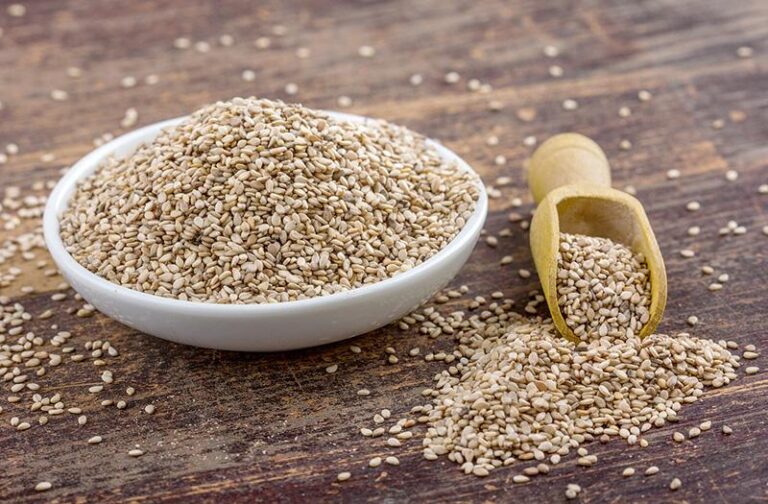
- White sesame seeds: Often selected for food applications where appearance is important.
- Black sesame seeds: Used in certain food products and regional cuisines.
Availability varies by supplier, season and specification. Buyers should confirm the exact product offered instead of assuming every type is available.
2. Establish Quality Specifications Before Ordering
Quality requirements should be agreed in writing before a transaction is concluded.
Important parameters may include:
Moisture content: Excessive moisture can affect storage stability and increase the risk of deterioration.
Foreign matter and impurities: Buyers should define acceptable limits for stones, dust, plant material and other unwanted material.
Seed appearance and uniformity: Colour, size and general appearance may matter for particular food applications.
Oil content: This may be important when sesame seeds are purchased for oil extraction.
Microbiological and chemical safety: Buyers may require testing for relevant contaminants, pesticide residues or other hazards according to the product, intended use and destination-market rules.
Packaging and storage: Packaging should protect the product during handling, storage and transport.
The appropriate numerical limits should come from the buyer’s specification, applicable standards or a mutually agreed inspection protocol. Do not assume that one set of values applies to every sesame seed shipment.
3. Request Samples and Independent Inspection
Before placing a large order, consider requesting a representative sample.
A sample can help the buyer assess appearance, processing requirements and suitability for the intended application. Laboratory testing may also be necessary where quality or food-safety requirements demand it.
For larger commercial transactions, the parties can agree on an independent inspection process. The contract should identify the inspection provider, sampling method, test parameters, acceptance criteria and how discrepancies will be handled.
A supplier’s written specifications are useful, but they should not replace independent verification when the transaction requires it.
4. Confirm Quantity, Packaging and Supply Schedule
International buyers should provide an estimated order quantity and preferred delivery schedule when requesting a quotation.
The supplier should then confirm the quantity that can actually be sourced and supplied, together with any minimum order requirement.
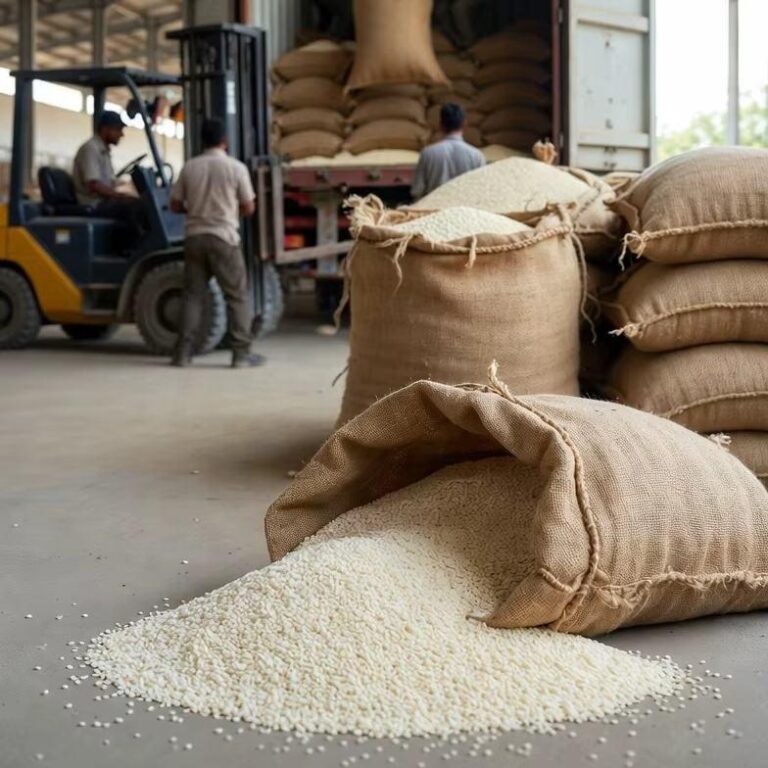
Packaging options should be agreed according to the buyer’s handling facilities, storage conditions, destination requirements and shipping arrangements. Do not assume a particular bag size or container loading quantity without confirming the product and packing plan.
For repeat purchases, discuss how the supplier will manage availability, quality consistency and changes between batches.
5. Understand Sesame Seed Export Documentation
The documentation needed for an export shipment depends on the product, destination, applicable regulations and contract.
Depending on the transaction, documents may include:
- Commercial invoice.
- Packing list.
- Bill of lading or other transport document.
- Certificate of origin, where required.
- Phytosanitary certificate, where applicable.
- Fumigation certificate, where required.
- Independent inspection or laboratory test reports, where agreed.
Importing countries may impose additional requirements relating to food safety, contaminants, labelling, traceability or plant health.
Before paying for or dispatching a shipment, buyers and sellers should confirm the requirements with the appropriate authorities, freight forwarder, customs broker and destination-country importer.
6. Compare Shipping Terms and Total Landed Cost
A competitive product price does not necessarily mean a competitive delivered cost.
Buyers should understand which costs are included in the quotation, including local transportation, handling, export clearance, inspection, freight and insurance where relevant.
For sea shipments, a transaction may be structured under FOB or CIF terms, depending on the commercial agreement. The named port and the applicable Incoterms edition should be stated clearly.
The buyer should also confirm payment milestones, expected shipment timing, required documents and the procedure for resolving quality disputes.
Avoid making payment decisions based solely on a low quotation or an urgent offer. Verify the counterparty and ensure that the contractual terms are clear.
7. Sourcing Sesame Seeds from Nigeria
When evaluating a Nigerian sesame seed supplier, ask for the product specification, available quantity, sourcing details, packaging options and proposed delivery arrangements.
Confirm whether the supplier can meet the required grade and whether the agreed quality parameters can be independently verified.
Mese Investment Limited lists sesame seeds among its commodities and supports businesses seeking to source agricultural products from Nigeria. Availability, specifications, quantities and delivery arrangements should be confirmed for each enquiry.
Request a Sesame Seed Supply Quotation
If your business is looking to purchase sesame seeds from Nigeria, contact Mese Investment Limited with the following details:
- Required sesame seed type.
- Quality specification and intended application.
- Estimated order quantity.
- Packaging requirements.
- Destination country and delivery port, where applicable.
- Inspection and documentation requirements.
- Preferred shipping terms.
Visit the Products page to explore the listed commodities and submit your requirements through the website.
The most effective sesame seed procurement process starts with a clear specification, a verifiable supplier and a written agreement covering quality, delivery and documentation.