
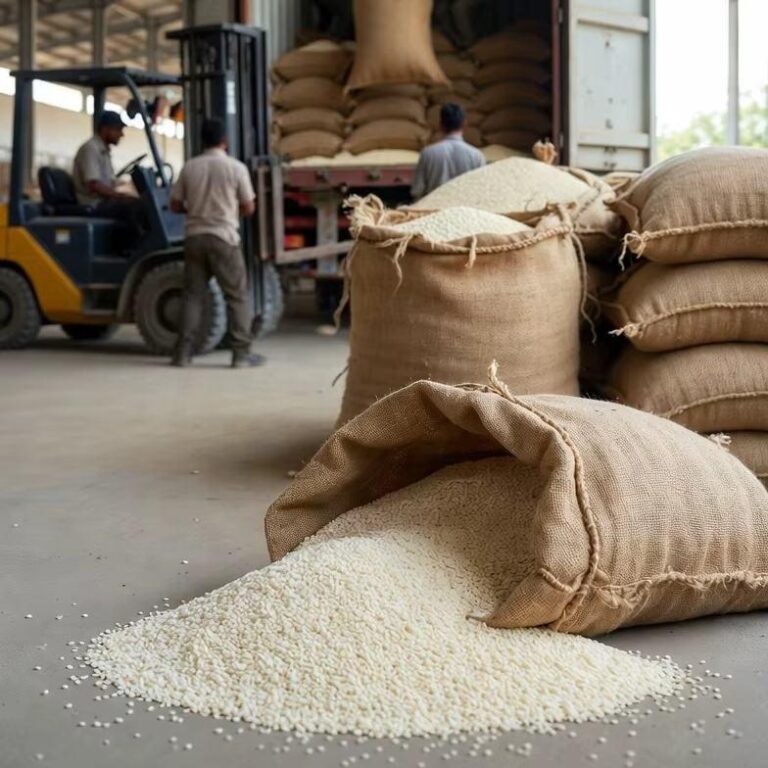
Nigerian Agricultural Commodity Sourcing: A Practical Guide for Businesses
Nigeria offers a diverse range of agricultural commodities for food manufacturers, processors, wholesalers, distributors and international buyers. Products such as sesame seeds, cocoa beans, ginger, cashew nuts, soybeans, cassava and shea products serve different commercial and industrial purposes.
However, finding a suitable commodity supplier involves more than comparing prices. Buyers need to assess product specifications, availability, quality requirements, delivery arrangements and the supplier’s ability to fulfil the agreed order.
This guide explains what businesses should consider when sourcing agricultural commodities from Nigeria.
1. Identify the Right Agricultural Commodity
Start by defining the commodity your business requires and how it will be used.
For example:
- Sesame seeds: Used in food manufacturing, bakery products, tahini and oil production.
- Cocoa beans: Used by chocolate manufacturers, cocoa processors and other food businesses.
- Ginger: Used in food processing, spice production and ingredient manufacturing.
- Cashew nuts: Used in snack production, food processing and wholesale distribution.
- Soybeans: Used in food production, oil processing and animal-feed supply chains.
- Cassava: Processed into different products for food and industrial applications.
- Shea butter: Used in cosmetics, personal care products and certain food applications, depending on grade and suitability.
The best supplier for your business is one that can offer the required product form and specifications, rather than simply one that lists the commodity on a website.
2. Define Your Product Specifications
Before requesting a quotation, prepare a clear product specification.
Depending on the commodity, this may include:
- Product name and variety.
- Country and region of origin.
- Grade, quality classification and intended application.
- Moisture content and impurity limits, where relevant.
- Packaging requirements.
- Required quantity and order frequency.
- Inspection, sampling and testing requirements.
- Delivery location and preferred shipping terms.
For example, a sesame seed buyer may need to specify whether the order is for hulled or unhulled seeds, the required colour, acceptable impurity levels, moisture limits and packaging.
These details help suppliers prepare comparable quotations and reduce misunderstandings during fulfilment.
3. Evaluate the Commodity Supplier
Supplier evaluation is an important part of procurement, especially when buying in bulk or arranging international shipments.
Before making a commitment, consider the following:
Business identity: Confirm the supplier’s legal identity, business contact information and relevant registration details.
Supply capability: Ask how the supplier sources the commodity, what quantity can be made available and whether repeat orders can be supported.
Product evidence: Request representative samples, specifications, photographs where appropriate and independent test results when necessary.
References and transaction history: Where possible, check trade references and obtain evidence of previous fulfilment.
Commercial terms: Confirm payment arrangements, delivery responsibilities, inspection procedures and what happens if the delivered goods do not meet agreed specifications.
Do not rely solely on attractive product photographs, low prices or promises of guaranteed supply. Verify important claims before transferring funds or entering a contract.
4. Compare Prices on a Like-for-Like Basis
The lowest quoted price is not always the lowest total procurement cost.
A meaningful comparison should consider product grade, packaging, inland transportation, handling, inspection, export documentation, insurance, freight and delivery responsibilities.
For international transactions, the agreed Incoterms rule and named location can affect which costs and risks fall on the buyer or seller.
Ask every supplier to quote against the same specification and delivery requirements. This makes it easier to evaluate the actual commercial value of each offer.
5. Understand Shipping and Delivery Terms
Commodity transactions may use different delivery arrangements depending on the product, destination and agreement.
Common arrangements include:
- EXW — Ex Works: The seller makes the goods available at the agreed location. The buyer generally assumes substantial responsibility for collection and onward arrangements under the applicable rule.
- FOB — Free On Board: For sea or inland-waterway transport, the seller delivers the goods on board the vessel at the named port of shipment, with risk transferring according to the rule.
- CIF — Cost, Insurance and Freight: For sea or inland-waterway transport, the seller arranges and pays the cost and freight to the named destination port and obtains the required insurance. Risk generally transfers when the goods are on board the vessel at the port of shipment.
The precise named place or port, the applicable Incoterms edition and the written contract matter. Buyers should not treat these terms as interchangeable.
6. Prepare the Required Trade Documents
Documentation varies by commodity, destination country, transaction structure and applicable regulations.
Depending on the shipment, documents may include a commercial invoice, packing list, bill of lading, certificate of origin, inspection certificate, phytosanitary certificate or fumigation certificate.
Not every product or shipment requires every document listed above. Confirm the actual requirements with the relevant authorities, customs broker, inspection provider and importing-country authorities before dispatch.
For agricultural exports, buyers should establish documentation requirements early enough to avoid preventable shipping delays.
7. Choose a Supplier That Understands Your Requirements
Reliable commodity sourcing depends on clear communication, verifiable product information, realistic delivery commitments and properly documented agreements.
Mese Investment Limited works with a network of farmers, local buying agents, suppliers and business partners to support the sourcing and supply of Nigerian commodities. The company also provides trade advisory and transaction-support services for businesses involved in commodity trade.
If your organisation is looking for agricultural commodities from Nigeria, begin by identifying the product, quantity, specifications, destination and preferred delivery terms.
Request a Commodity Supply Enquiry
Mese Investment Limited welcomes business enquiries from buyers seeking Nigerian agricultural commodities.
To help us understand your requirements, include:
- The commodity you want to purchase.
- Required grade or product specification.
- Estimated quantity and order frequency.
- Destination country or delivery location.
- Packaging and inspection requirements.
- Preferred delivery terms.
Visit the Products page to explore the listed commodities, or contact Mese Investment Limited through the website to discuss your requirements.
A well-defined specification and a properly evaluated supplier are essential starting points for a successful commodity transaction.